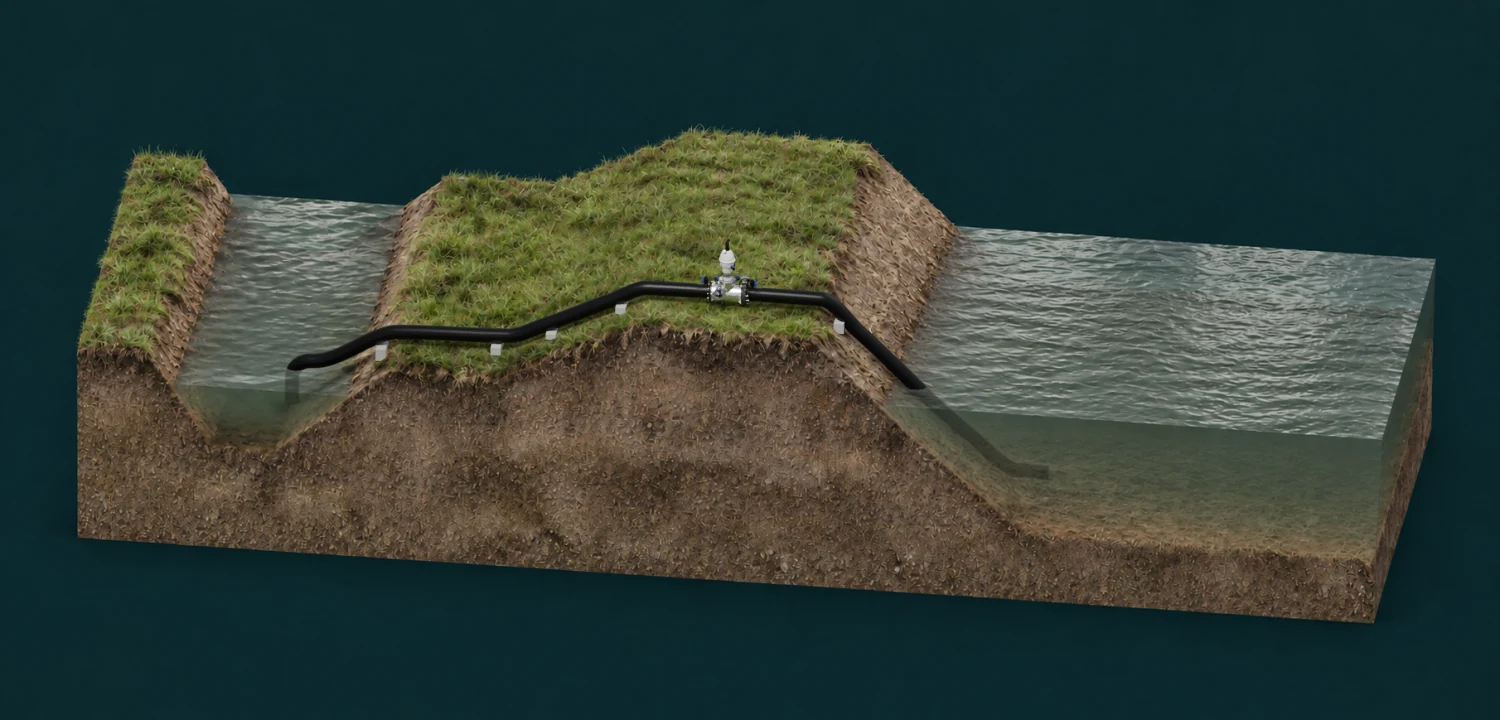
Carry collected water over stopbanks and awkward ground to a lower outlet. Explore how a Siphonic Transfer Unit could lower the resting water table and bring wet ground back into use.
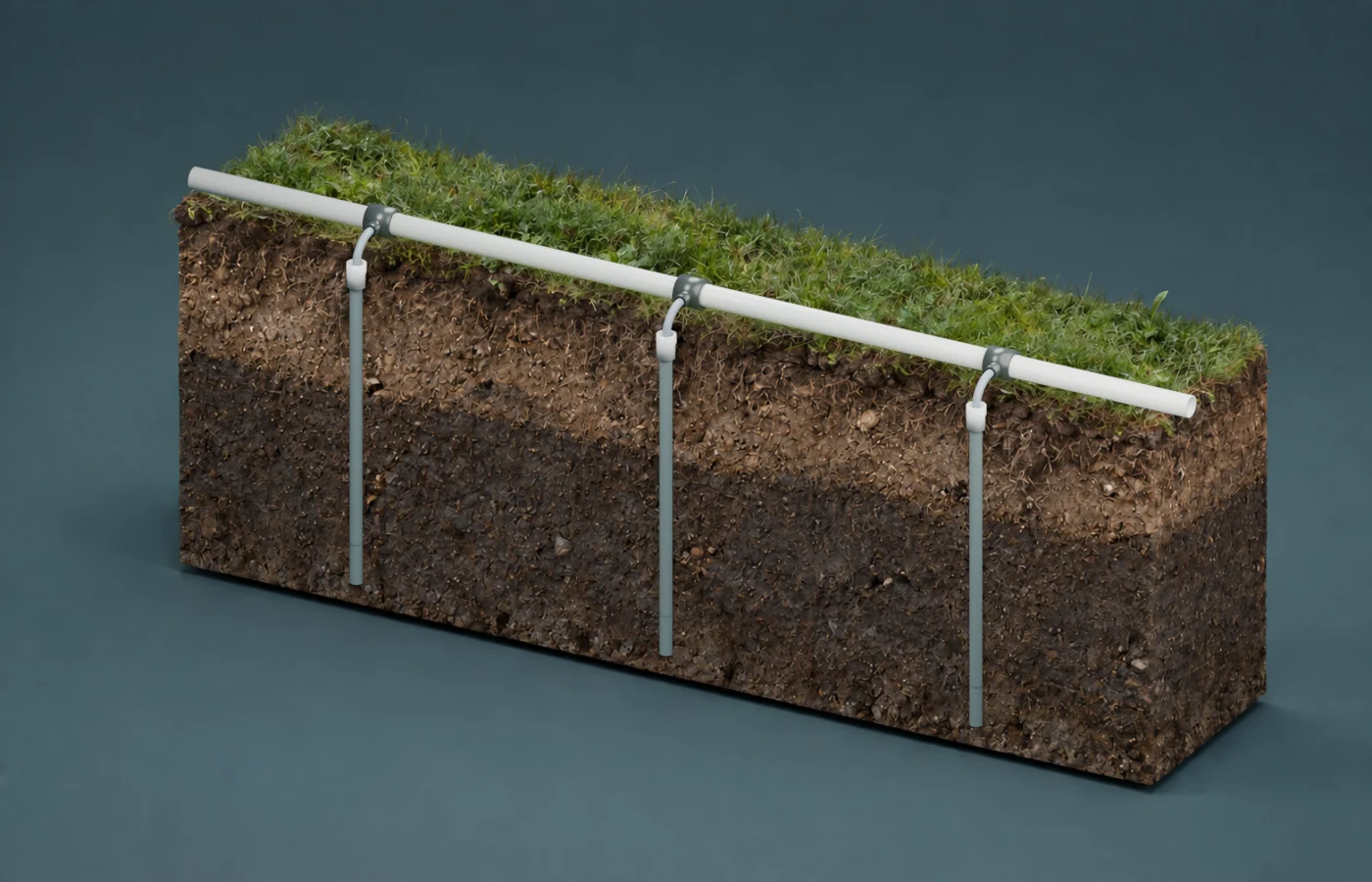
The collection line carries water from the groundwater intakes to the Siphonic Transfer Unit.
Connection and intake detail
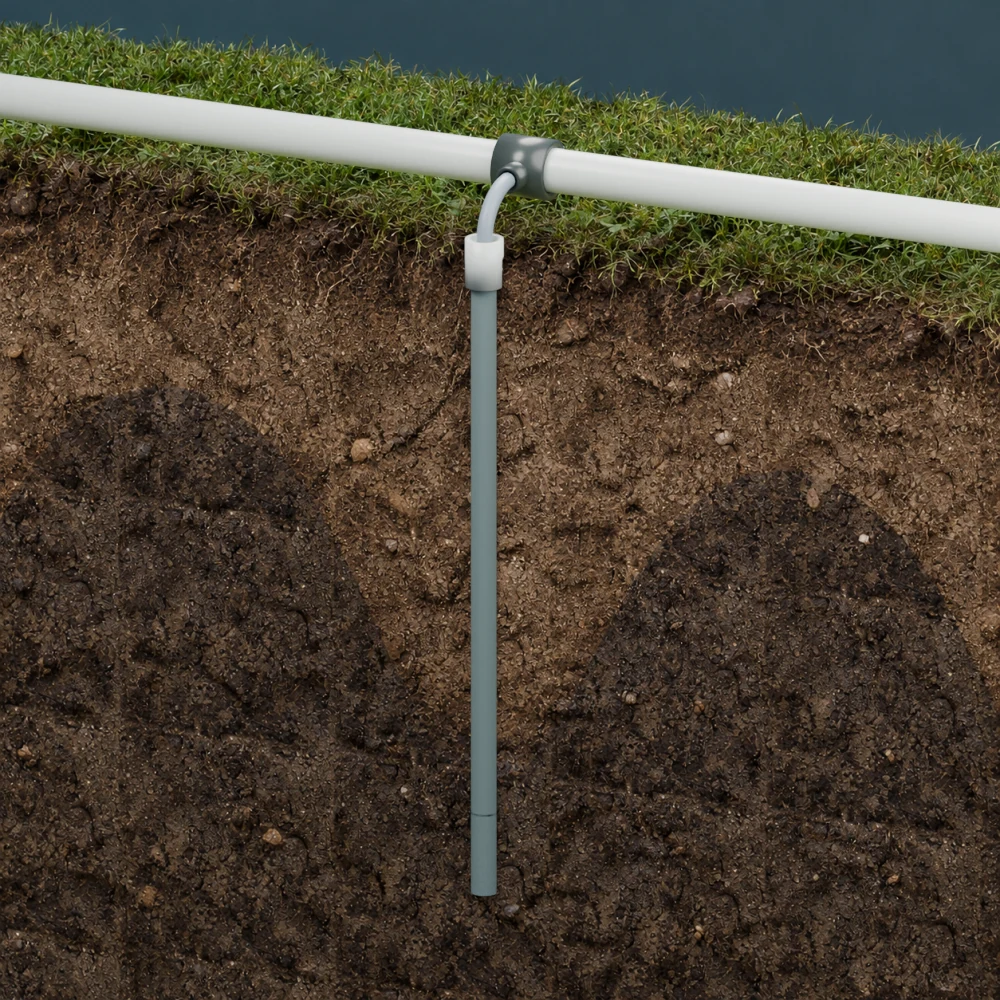
Groundwater enters below the surface.
The lower intake collects groundwater. A flexible connection joins each straw to the collection line.
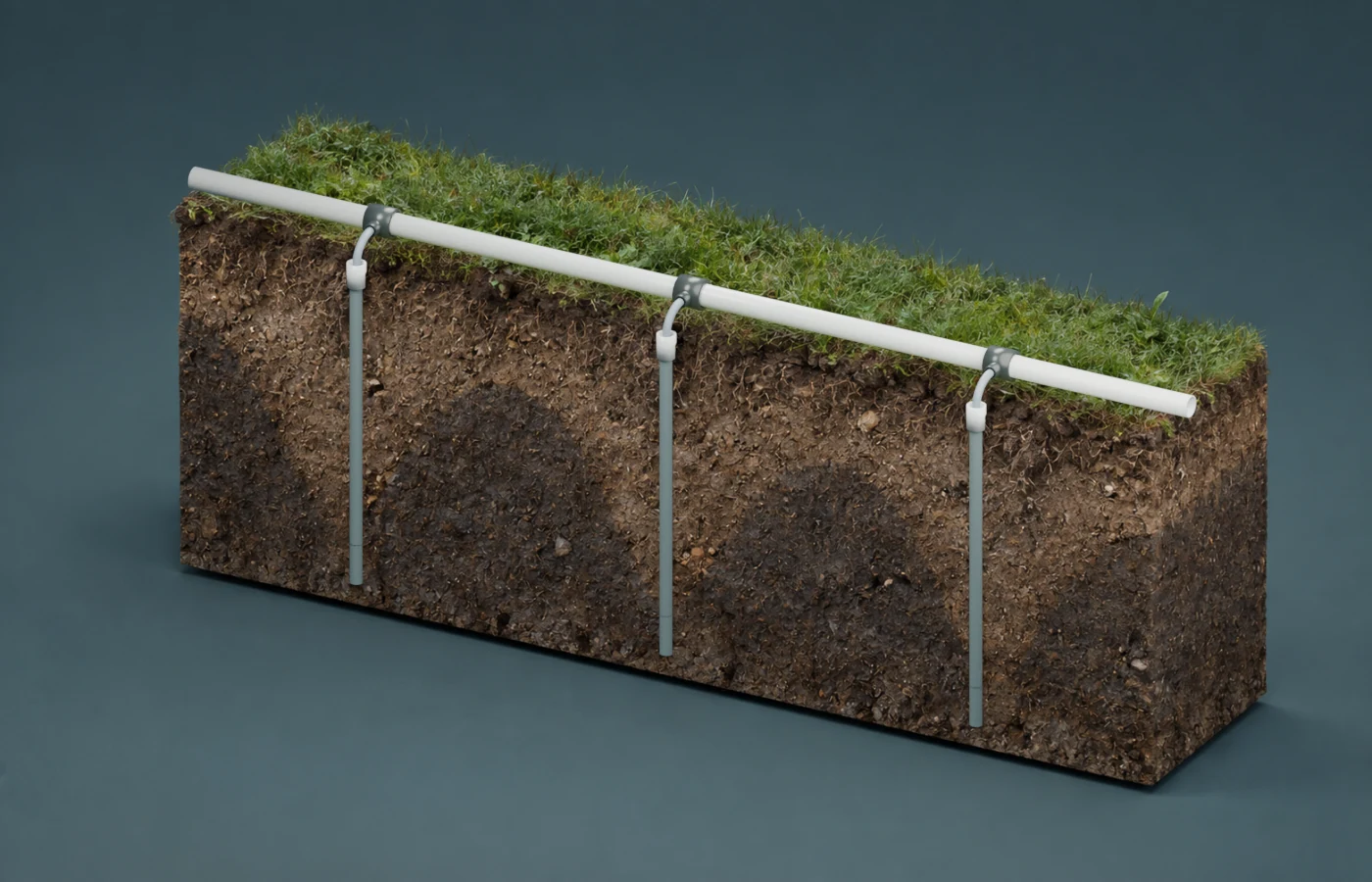
Conceptual groundwater response
Lower the water table around the intakes.
As groundwater is collected, the water table falls around each intake.
Soil above the water tableSaturated soil
Depth and spacing depend on your soil and the available outlet level. Conceptual illustration · not to scale.
Working with your farm
Build on the drainage you already have.
Open drains, subsoil drains and floodgates can remain part of the solution. A Siphonic Transfer Unit adds extraction where collected water is still being held inland.
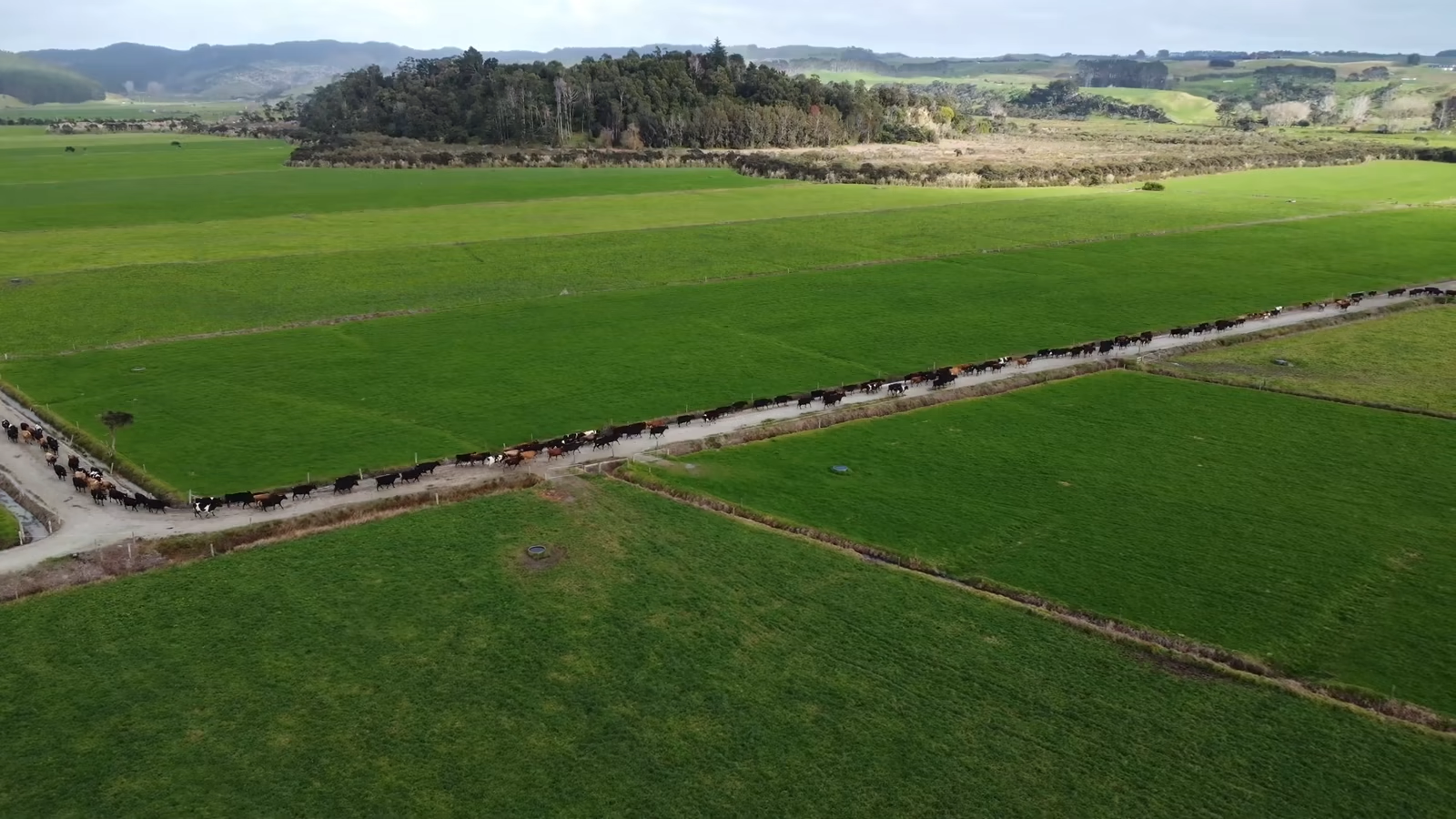
Narbey Farm / Existing drainage
At Narbey, the system draws from the stopbank drain, a valley drain and the foot of the hills.
Source: Narbey installation film
Your drains collect.
Open and connected subsoil drains bring water together. They remain part of the drainage network.
The unit adds extraction.
New intake points can give collected water another route to a lower outlet, alongside existing floodgates.
The design joins them up.
A site survey identifies where to collect water, how to connect the route and whether drain regrading or other works are needed.
Farming with the tide
Put low tide to work.
Lower inland water when the outlet is low, with automatic protection against backflow through the unit.
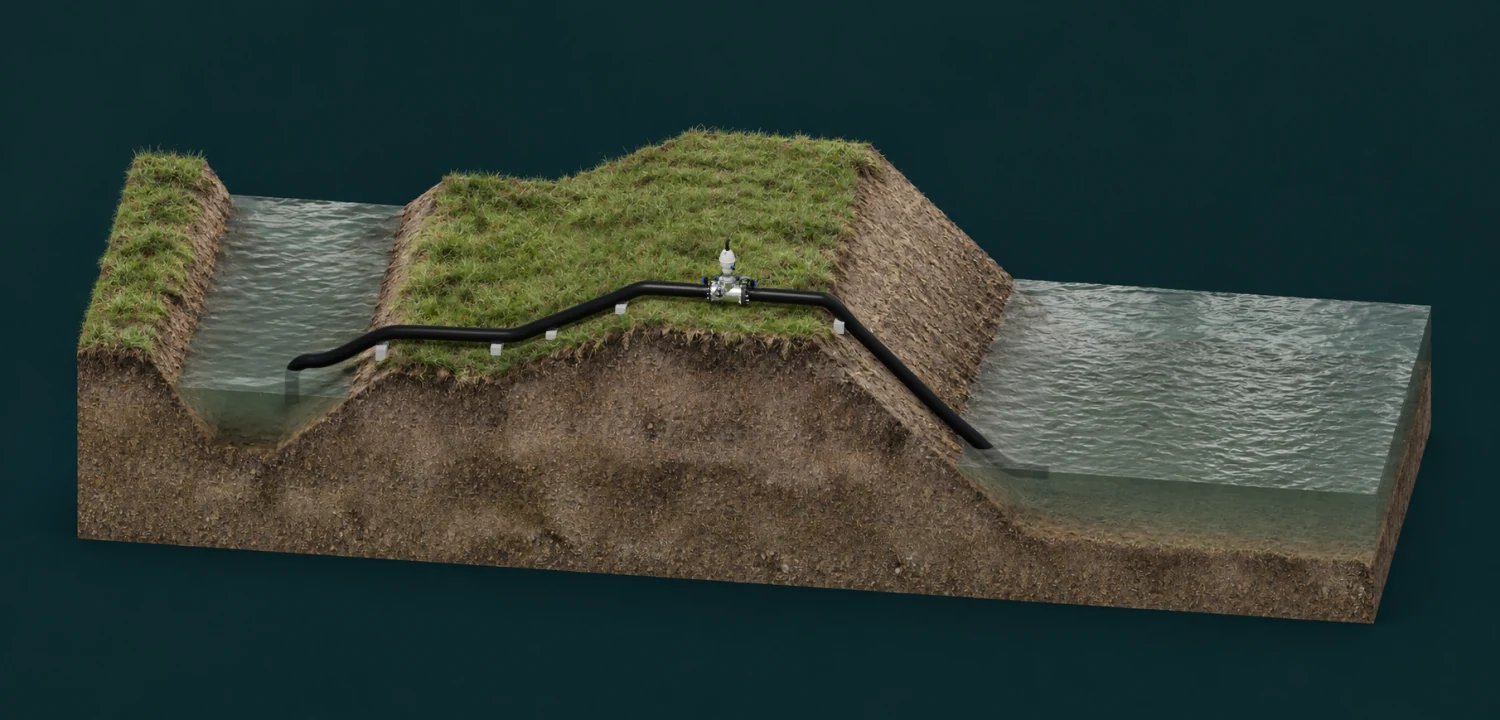
Inland drainHigher water levelOver the stopbankUnit at the crestOutlet water surfaceLower water levelInland drainSame reference levelBackflow stoppedInside the unitOutlet water surfaceNow above the drain
Illustrative section · not to scale · water made transparent to show the route
Low tide
Draw water off the farm.
When the outlet water sits below the inland water, the siphon can lower connected drains and groundwater. That creates room for more water in the drains and soil before the next tide or rainfall.
Reverse pressure
Stop tidal water coming back.
As the tide rises, the driving difference reduces. If tidal water tries to flow back through the siphon, the unit’s internal non-return flap closes automatically.
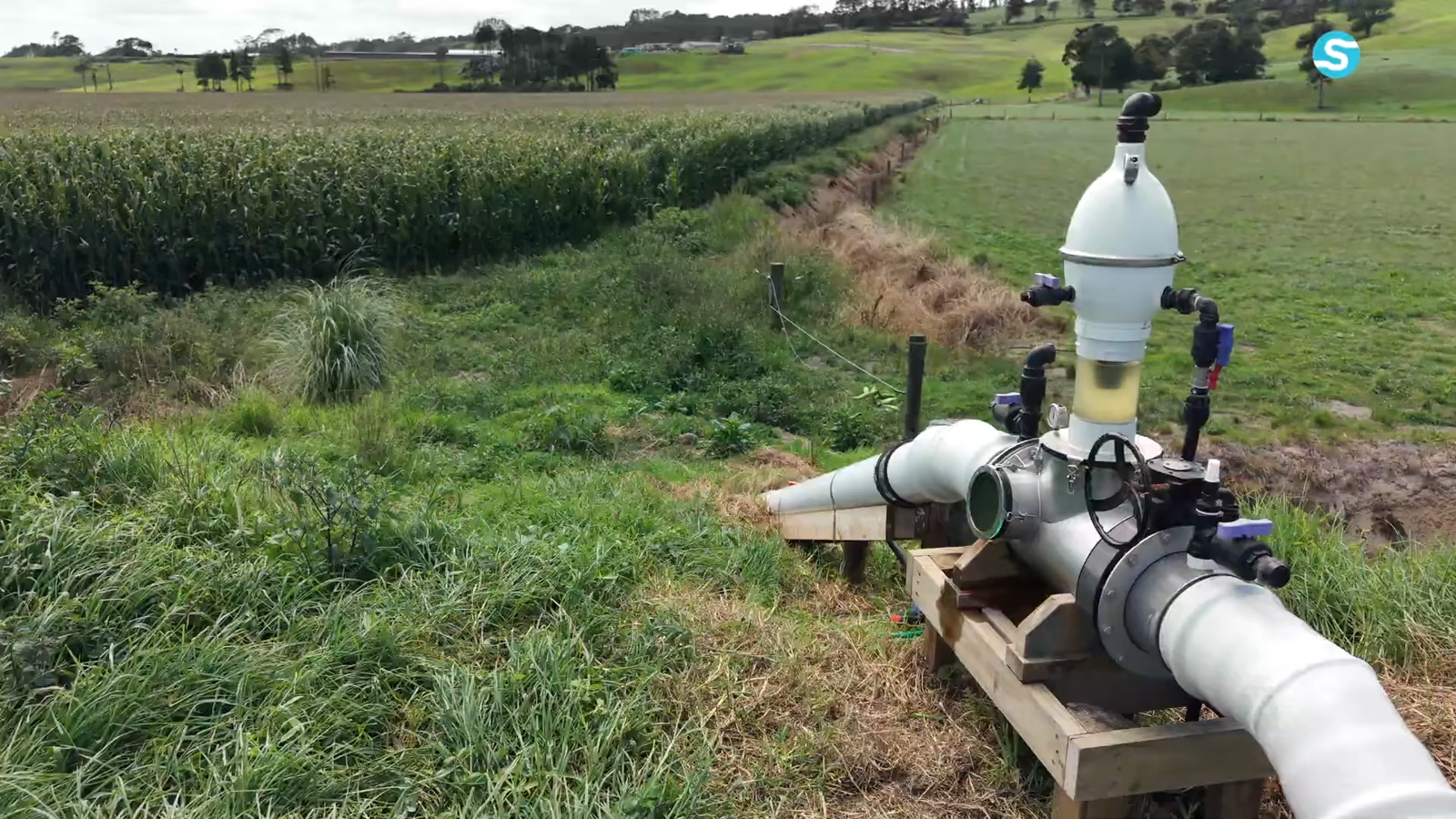
At Narbey, the system uses the Kaipara River’s low tide to draw from inland drains.See the installation↓
Backflow protection acts within the siphon. It does not stop water overtopping a stopbank.
Automatic priming. No grid connection.
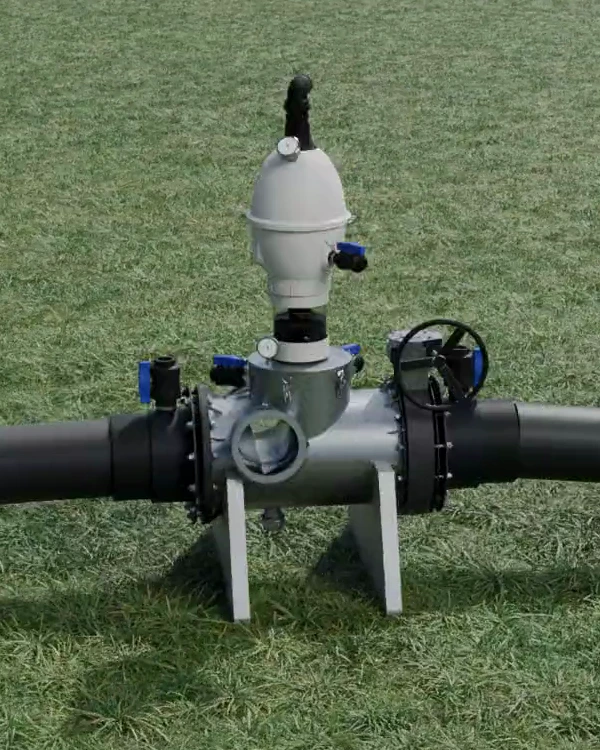
The Siphon Primer takes care of establishing and maintaining prime. It removes air and can automatically re-establish prime after air enters the line, using water recirculated within the system.
Annual primer service. Clear intakes.
The primer is serviced annually. Intake care is separate: keep the collection point clear so water can reach the system.
Siphon Primer
Removes air to establish and maintain prime.
Gear-driven isolation valve
Provides isolation at the manifold for servicing. Operated using the handwheel.
What goes into the cost.
Compare the route, intake works, installation and annual primer servicing alongside drain improvements or a pumped option.
See siphonic transfer on real farms.
Morelands Farm
A change below the surface.
225 mm
lower resting groundwater table
400 mm
lower open-drain level
Owner/operator-reported observations. One site, one measurement year. Outcomes depend on the site.